
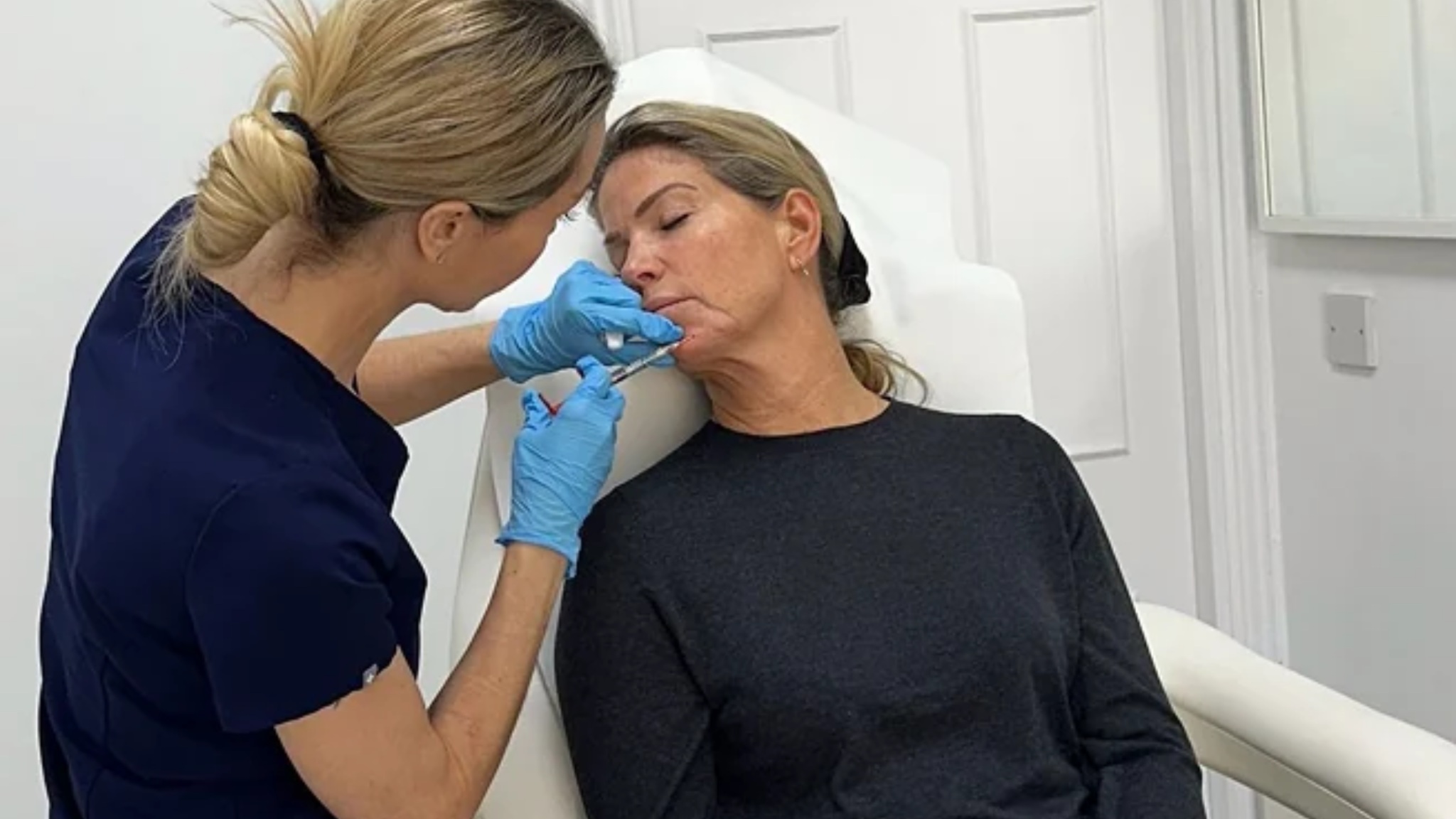
Reviewed by Monika, an Aesthetic Practitioner at Mol Aesthetics in Milton Keynes, offering a range of personalised treatments, including Botox, dermal fillers, lip enhancement, facial contouring, and skin rejuvenation. She focuses on understanding individual skin concerns, promoting informed treatment choices, and helping clients achieve natural-looking improvements through suitable aesthetic treatments.
Are your forehead lines becoming more noticeable, or have your cheeks started to lose their natural fullness? If you’re exploring aesthetic treatments, you may be wondering about dermal fillers vs Botox and which option could address your concerns.
Quick answer: Botulinum toxin type A temporarily reduces activity in targeted facial muscles to soften expression lines. Dermal fillers add volume and improve selected facial contours. The right approach depends on your facial anatomy, skin concerns and aesthetic goals.
At Mol Aesthetics in Milton Keynes, we recognise that every face and skin concern is different. Understanding the available treatments is an important first step towards choosing an approach that suits your needs.
Table of Contents
- What is Botox and how does it work?
- Do all Botox products work the same way?
- What are dermal fillers and how do they work?
- Dermal Fillers vs Botox: Key Differences
- Which treatment should you choose?
- Skin rejuvenation options at Mol Aesthetics
- Are Botox and dermal fillers safe?
- FAQs
- Conclusion
What Is Botox and How Does It Work?
Botox is a brand name for a specific product containing botulinum toxin type A. This substance is used in aesthetic medicine to reduce the appearance of certain expression lines temporarily.
It works by blocking the nerve signals that tell targeted muscles to contract. As the muscles relax, the skin above them can appear smoother.
Treatment areas commonly include:
- Forehead lines: Horizontal lines that appear when the eyebrows are raised.
- Frown lines: Vertical lines between the eyebrows.
- Crow’s feet: Fine lines around the outer corners of the eyes.
Results usually begin to appear within a few days. The full effect is generally assessed at around two weeks. Depending on the product, dose, treatment area, and individual response, effects may last approximately 3 to 6 months.
Do All Botulinum Toxin Products Work the Same Way?
Not exactly. Botox is one brand of botulinum toxin type A. Other products also contain this active ingredient, but their formulations can differ.
Important differences include:
- Formulation: Each product has its own composition and characteristics.
- Protein components: The proteins associated with the active toxin can vary between formulations.
- Dosing units: Different brands use their own unit systems. Their units are not automatically interchangeable.
- Clinical characteristics: Products may differ in their preparation, handling and clinical behaviour.
These differences matter when selecting and administering a product. The practitioner must understand the specific formulation and follow its prescribing information.
At Mol Aesthetics, rather than changing your appearance, our approach to Botox focuses on personalised treatment planning and natural-looking results.
What Are Dermal Fillers and How Do They Work?
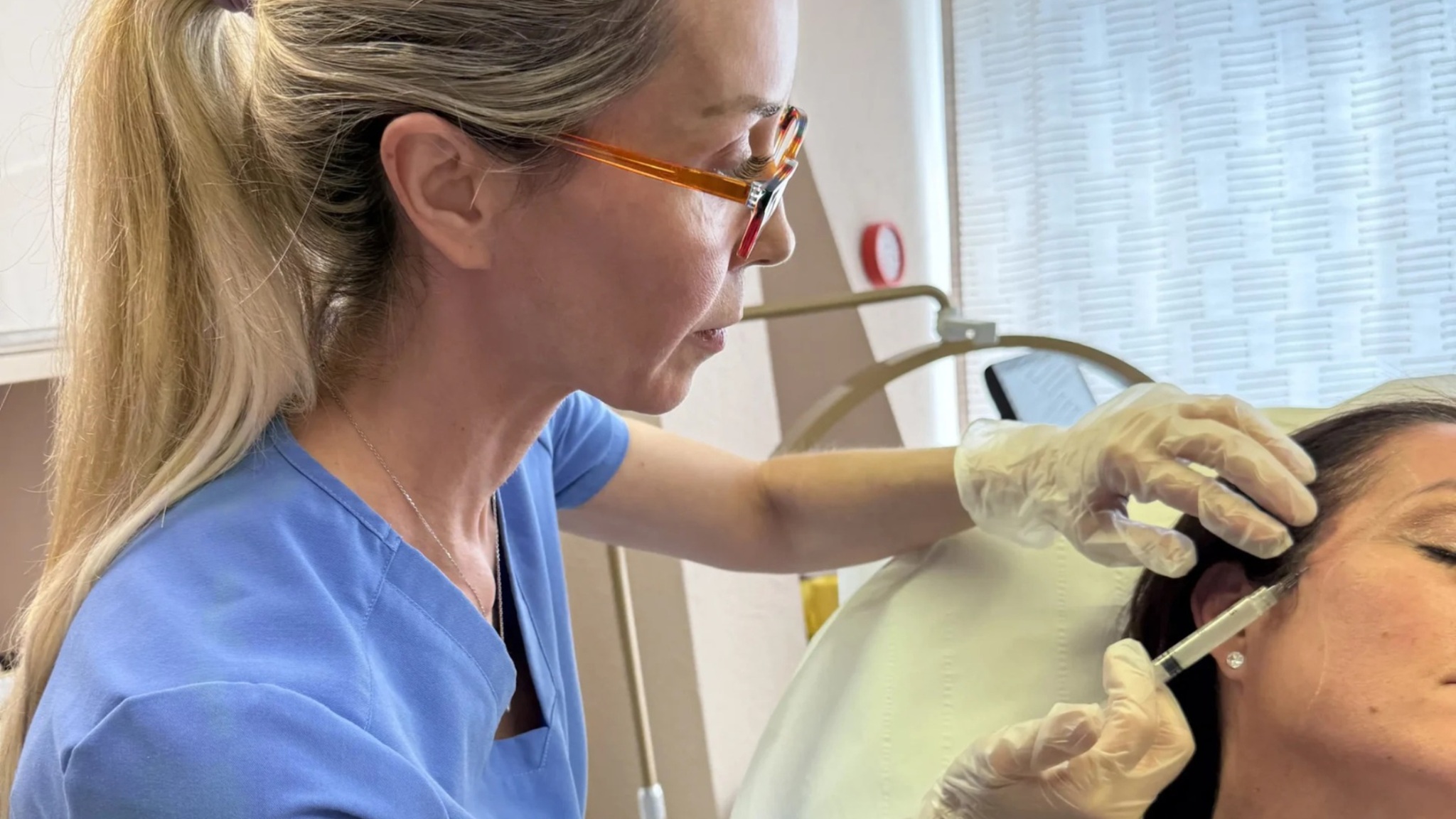
Dermal fillers are injectable products used to restore volume, enhance facial contours and soften selected lines or folds.
Many commonly used fillers contain hyaluronic acid. This substance occurs naturally in the body and helps maintain skin hydration and volume.
Depending on the product and treatment area, dermal fillers may be used for:
- Lip enhancement: Improving lip shape, definition and volume.
- Cheek enhancement: Restoring fullness in selected areas.
- Nasolabial folds: Softening the folds between the nose and mouth.
- Chin enhancement: Improving the appearance of chin projection.
- Jawline definition: Enhancing selected facial contours.
Unlike botulinum toxin, fillers do not work by relaxing muscles. They add volume or provide structural support in specific areas.
Results are usually visible immediately. However, swelling and bruising can affect the initial appearance. Hyaluronic acid fillers commonly last around six to eighteen months, depending on the product, placement and individual factors.
How Does Mol Aesthetics Approach Dermal Filler Treatments?
At Mol Aesthetics, dermal filler treatment planning starts with understanding what you would like to improve. Facial proportions, existing volume, skin condition and individual expectations all matter when considering an appropriate approach.
For example, someone concerned about lip definition may have different needs from someone looking to improve cheek fullness or chin projection.
The aim is to consider facial balance rather than simply adding volume. A personalised assessment also helps establish whether fillers are suitable for the concern being addressed and whether another approach may be more appropriate.
You can learn more about the clinic’s dermal filler treatments in Milton Keynes.
Dermal Fillers vs Botox: Key Differences
Although both treatments involve injections, they serve different purposes.
| Feature | Botox | Dermal Fillers |
| Main purpose | Temporarily reduces targeted muscle activity | Restores volume and enhances contours |
| Common concerns | Expression lines | Volume loss and selected facial folds |
| How it works | Blocks nerve signals to targeted muscles | Adds volume or structural support |
| Results | Develop gradually | Usually visible immediately |
| Typical duration | Around 3-6 months | Often 6-18 months for hyaluronic acid fillers |
| Adds facial volume | No | Yes |
The main difference is the cause of the concern. Lines that become more noticeable when you frown or raise your eyebrows may be linked to repeated muscle movements. In contrast, changes in cheek fullness or facial contours may relate to volume loss.
However, not every concern requires an injectable treatment. Skin texture, dehydration and pigmentation may need a different approach.
Which Treatment Should You Choose?
Start by identifying what you would like to improve. Different concerns may need different treatments.
If expression lines are your main concern
Lines caused by repeated facial movements may be assessed for treatment with botulinum toxin type A. Suitability depends on the treatment area, medical history and an appropriate clinical assessment.
If your face has lost volume
Dermal fillers may help restore fullness in selected areas. They can also improve the appearance of certain facial contours. The result depends on your anatomy, product choice and treatment plan.
If your skin looks dull or dehydrated
You may need a treatment that focuses on skin quality rather than muscle activity or facial volume. Skin boosters and other skin rejuvenation options may be worth discussing.
If uneven texture is your main concern
Microneedling may be considered for selected texture concerns. It works differently from both botulinum toxin and dermal fillers.
At Mol Aesthetics, understanding the concern comes before considering a treatment. A personalised assessment can help identify suitable options and explain their benefits and limitations.
What Other Skin Rejuvenation Options Are Available at Mol Aesthetics?
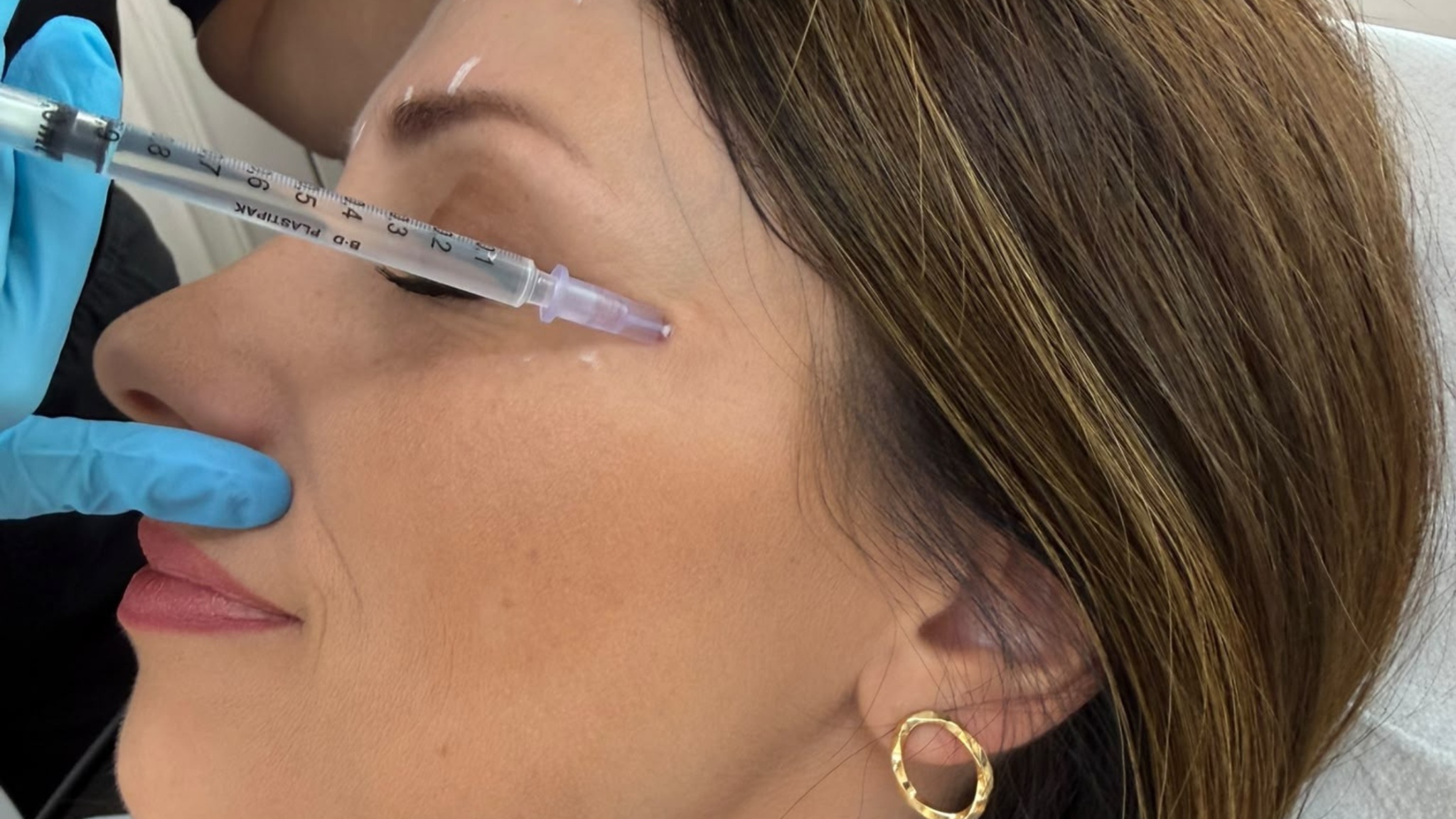
Facial rejuvenation is not limited to softening expression lines or restoring volume. Hydration, texture, firmness and overall skin quality can also influence how refreshed your complexion looks.
Mol Aesthetics offers a range of skin-rejuvenation options for various concerns. These treatments are not direct replacements for Botox or conventional dermal fillers; each has a different purpose.
Skin Boosters
Skin boosters are designed to improve skin hydration and quality. Depending on the product, they may help address dryness and a lack of radiance. They are different from traditional fillers used to create facial volume.
Polynucleotides
Polynucleotides are used in regenerative aesthetics to support improvements in skin quality. They are not intended to produce the same volumising effect as conventional dermal fillers. Results and supporting clinical evidence can vary between products and treatment indications.
Microneedling
Microneedling uses fine needles to create controlled micro-injuries in the skin. This stimulates the skin’s repair response and may help improve the appearance of uneven texture and selected skin concerns.
CaHA and PLLA Treatments
Calcium hydroxylapatite (CaHA) and poly-L-lactic acid (PLLA) are used in certain biostimulatory aesthetic treatments. They can stimulate collagen production, although their mechanisms, effects, and suitability differ.
These treatments are not direct substitutes for botulinum toxin or conventional hyaluronic acid fillers. Each addresses different concerns and requires an individual assessment.
Are Botox and Dermal Fillers Safe?
Like all medical aesthetic procedures, Botox and dermal fillers carry potential risks.
Common temporary side effects may include:
- Redness or tenderness around the injection site.
- Mild swelling.
- Temporary discomfort.
Botulinum toxin can occasionally cause unwanted muscle weakness, asymmetry or eyelid drooping.
Dermal fillers carry additional risks, including lumps, infection and, rarely, vascular occlusion. This occurs when a blood vessel is blocked by a blood clot, which can cause tissue damage or vision loss. It requires urgent medical attention.
At Mol Aesthetics, Monika has a background in emergency and intensive care medicine. Oxford-educated, she trained further in advanced aesthetics, dermatology, and women’s health across the UK.
Her practice emphasises safety, evidence-based practice, and holistic natural enhancements, while also engaging in research in functional and regenerative medicine.
Explore Your Skin Rejuvenation Options at Mol Aesthetics
When comparing dermal fillers vs Botox, remember that neither treatment is designed to address every aesthetic concern. Botox temporarily reduces targeted muscle activity, while dermal fillers restore volume and enhance selected facial features.
If your priorities are improving hydration, skin texture or overall skin quality, other approaches may be worth exploring.
At Mol Aesthetics, we offer personalised aesthetic treatments, including Botox, dermal fillers, lip enhancement, facial contouring, along with skin rejuvenation solutions. Whether you’re looking to soften expression lines, restore facial volume or improve overall skin quality, our team can help you explore suitable options based on your individual needs.
Interested in exploring your options? Contact our team today at +447872673576 to discuss your skin goals and learn which treatments may be appropriate for you!
FAQs About Dermal Fillers vs Botox
Can botulinum toxin and dermal fillers be used together?
They can sometimes be used as part of the same treatment plan when clinically appropriate. They address different concerns, so combining them may be considered following an individual assessment.
Which treatment gives more natural-looking results?
Both can produce natural-looking improvements when appropriately selected and administered. The outcome depends on facial anatomy, product choice, technique and treatment planning. A conservative approach can help avoid unnecessary changes.
How long do dermal fillers and botulinum toxin treatments last?
Botulinum toxin effects commonly last around three to six months. Hyaluronic acid fillers often last around six to eighteen months. Actual longevity varies with the product, treatment area and individual response.
Is there downtime after injectable treatments?
Most people can return to their usual activities relatively quickly. However, temporary swelling, redness, bruising or tenderness may occur. Follow the practitioner’s aftercare instructions and seek prompt medical advice if you experience severe or unexpected symptoms.
About the Author
Written by the team at Mol Aesthetics, a Milton Keynes-based aesthetic clinic offering personalised skin rejuvenation treatments, including skin boosters, polynucleotides and microneedling. Its approach focuses on individual skin concerns, informed treatment choices and realistic expectations, helping clients explore treatments suited to their needs.